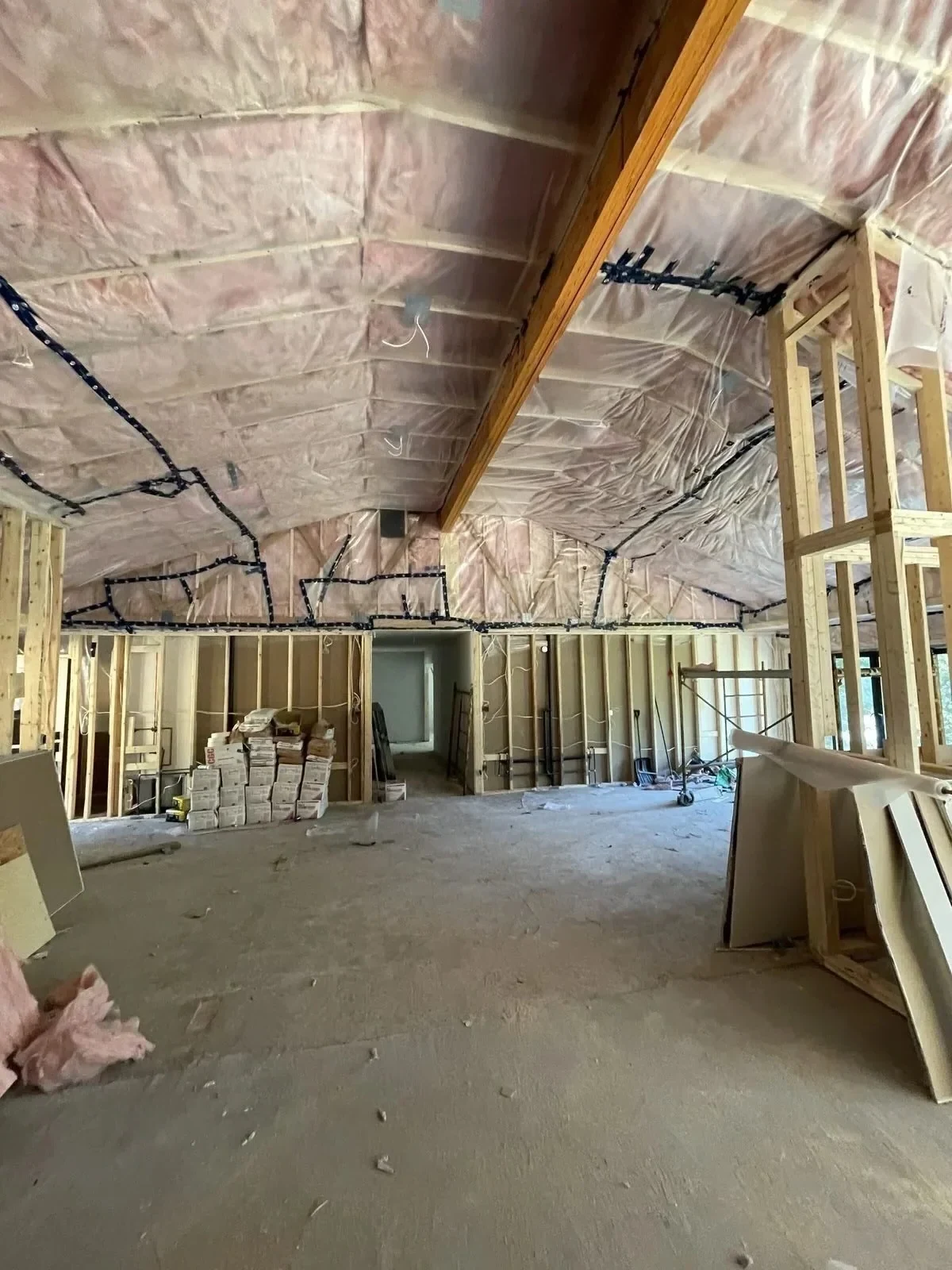
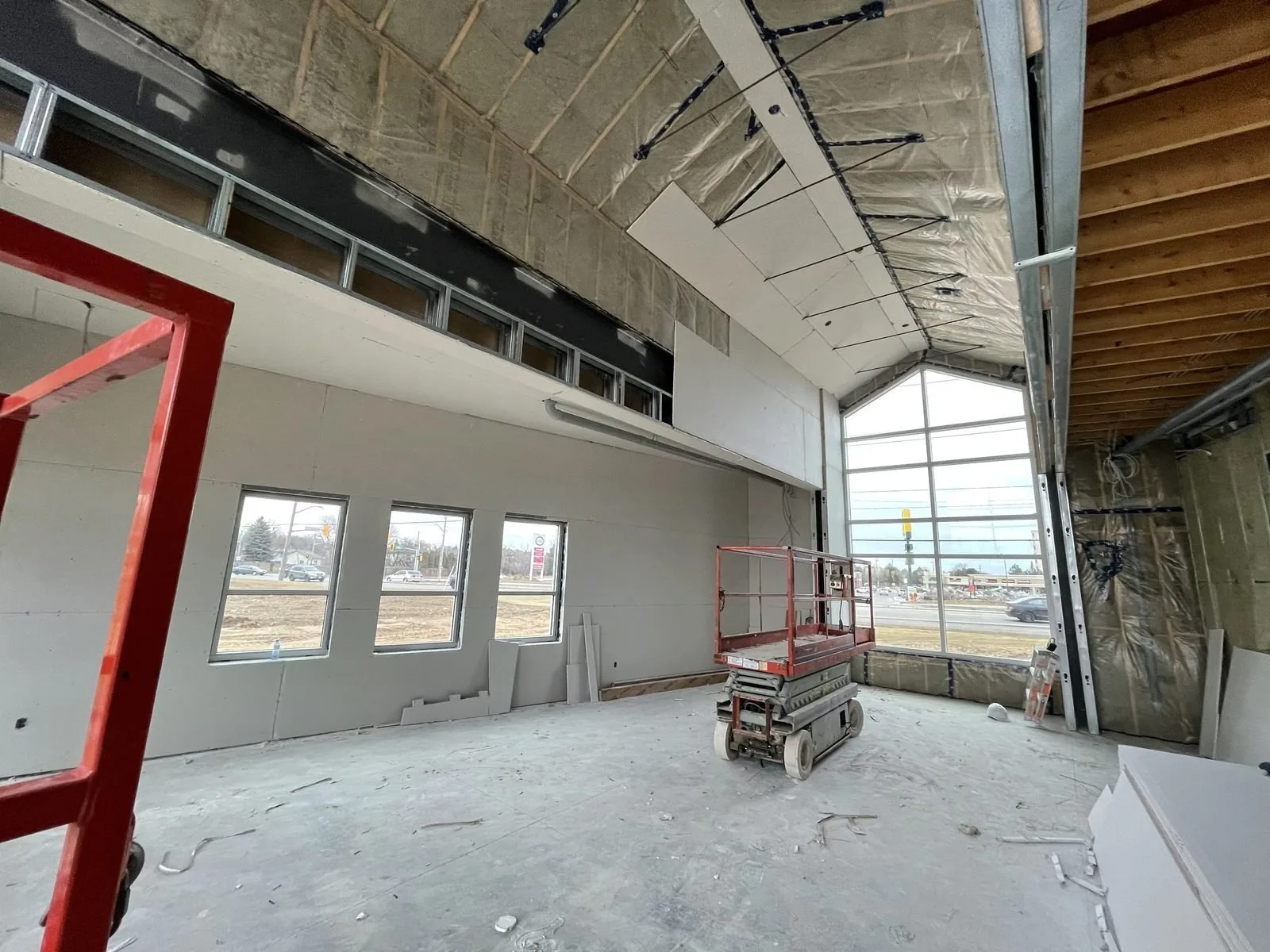
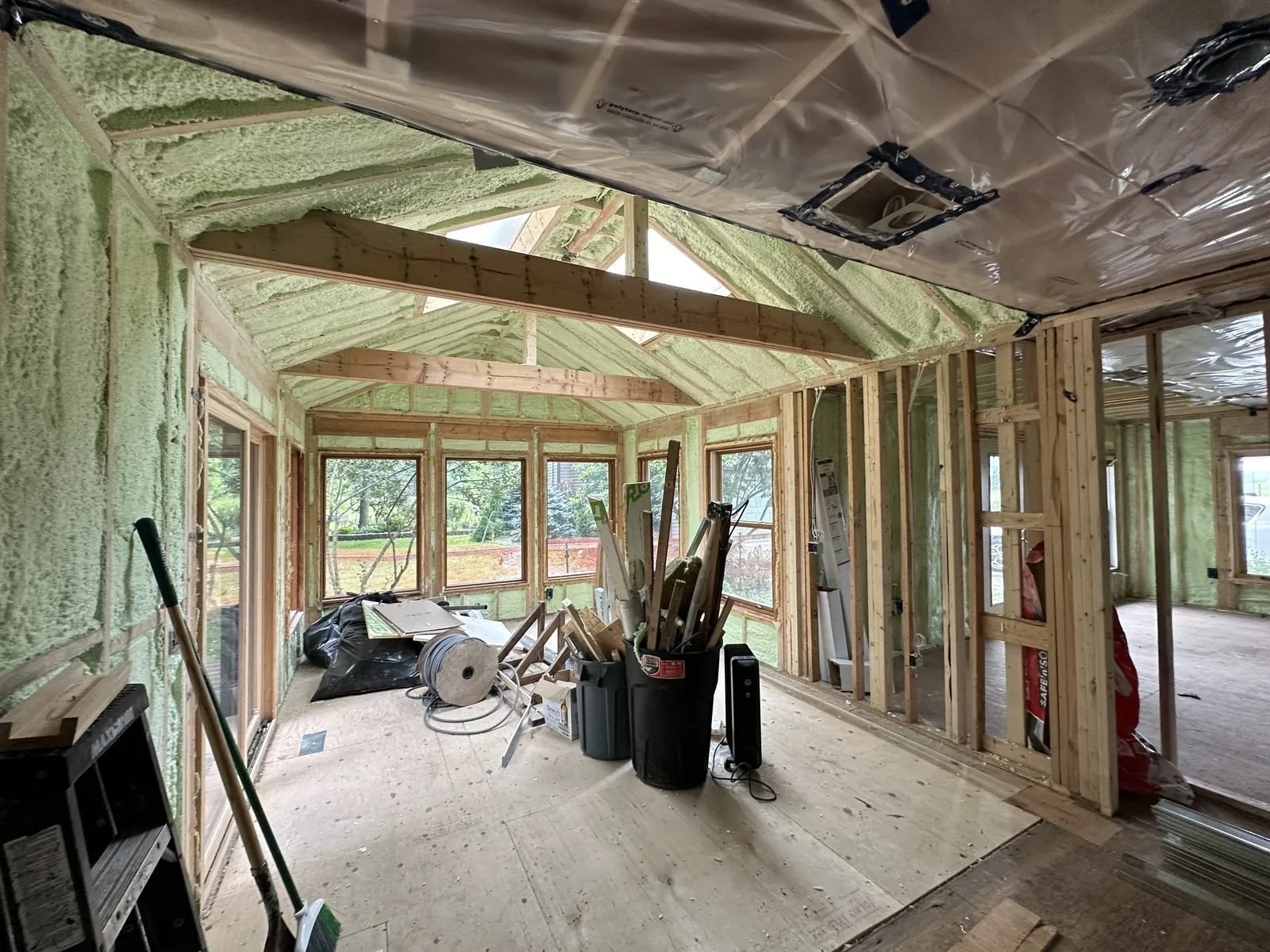
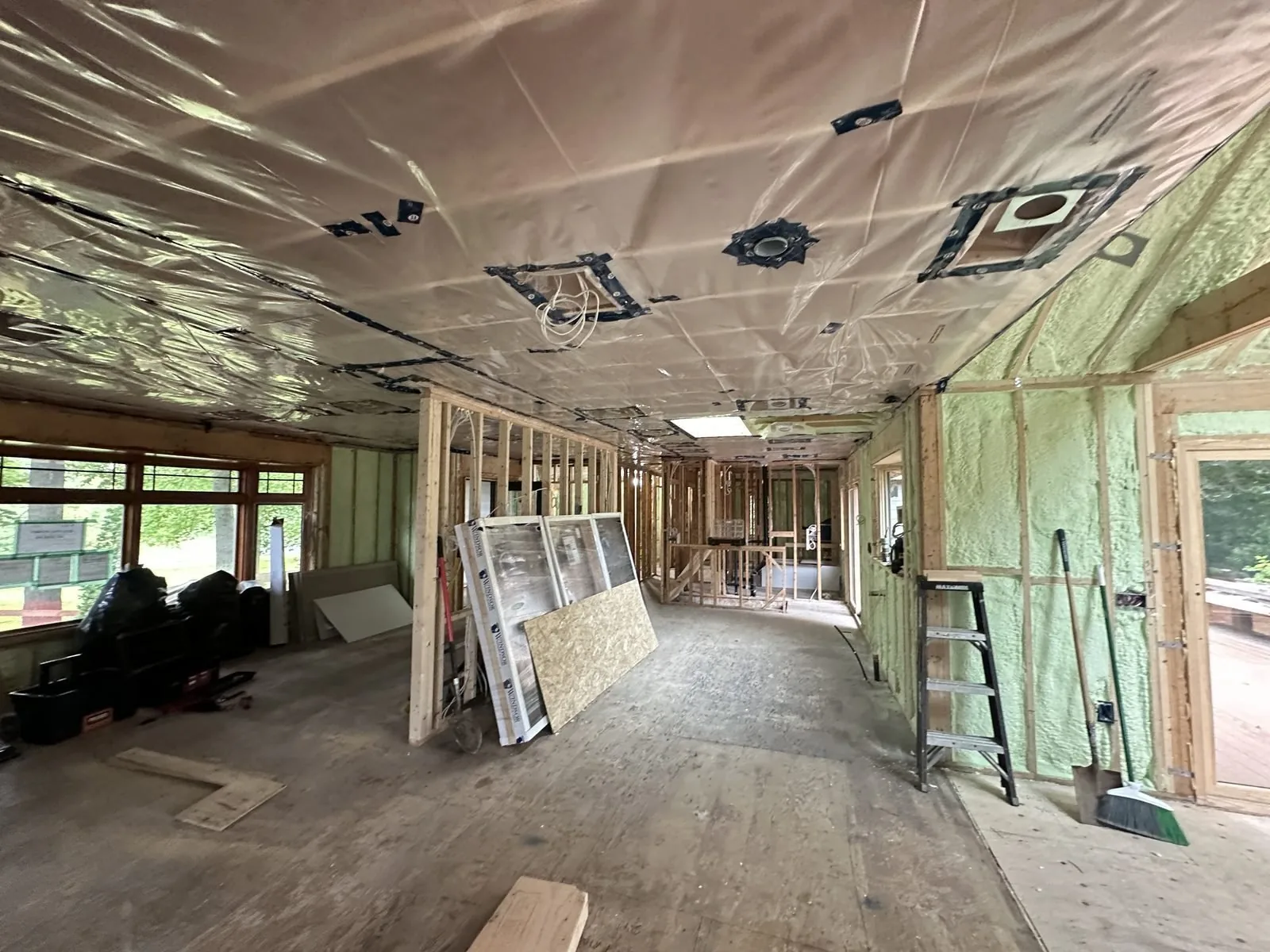
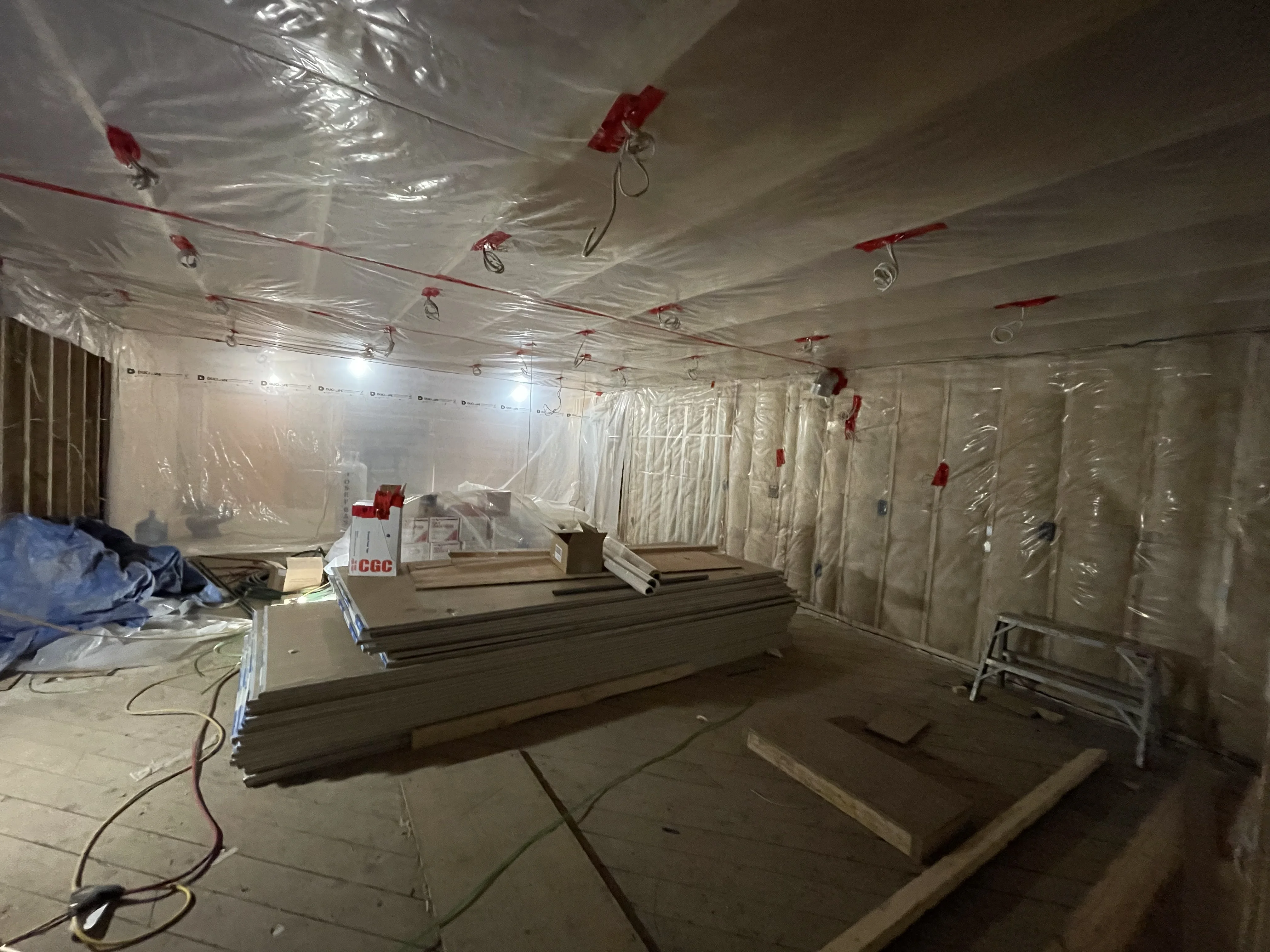
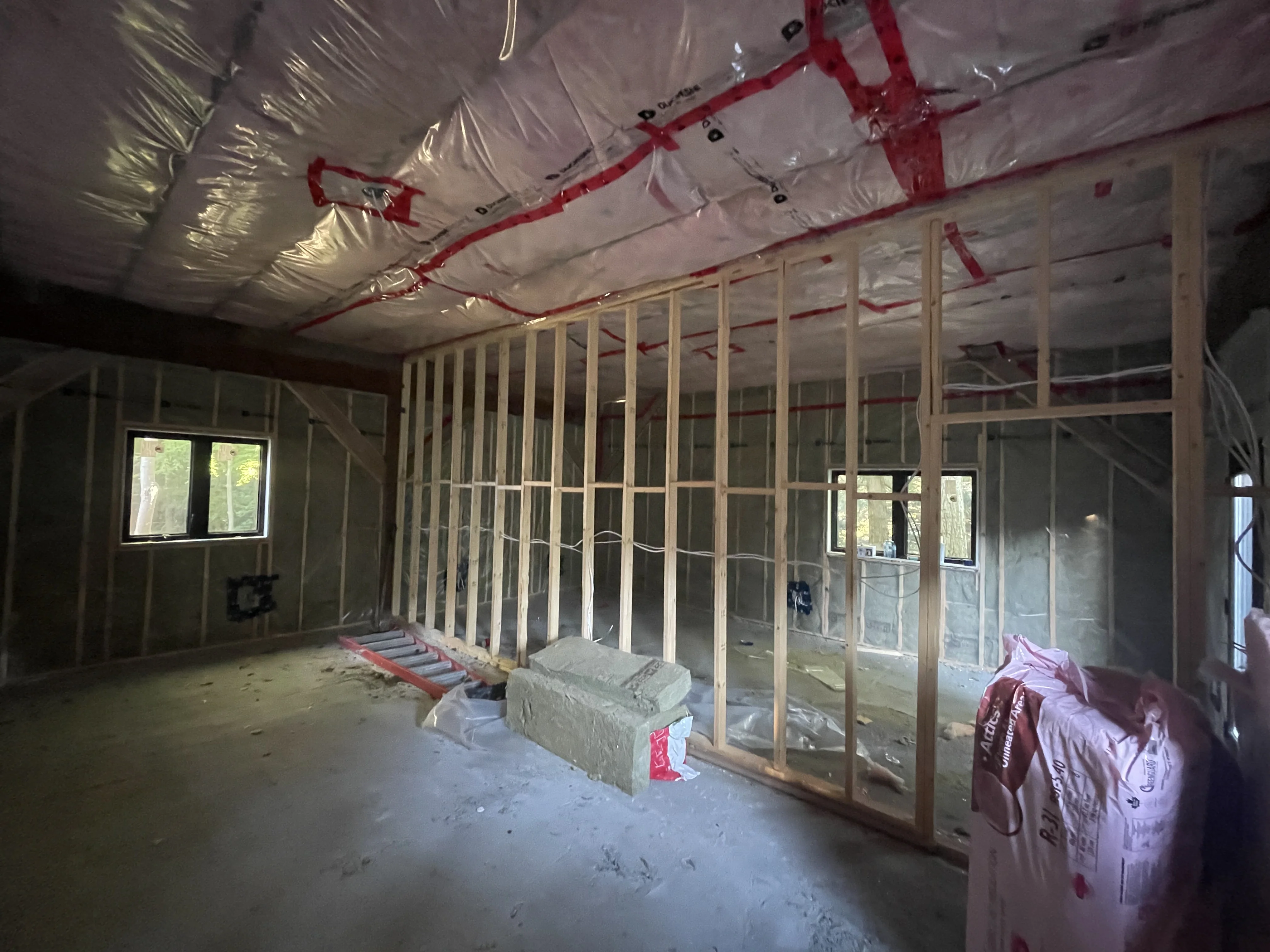
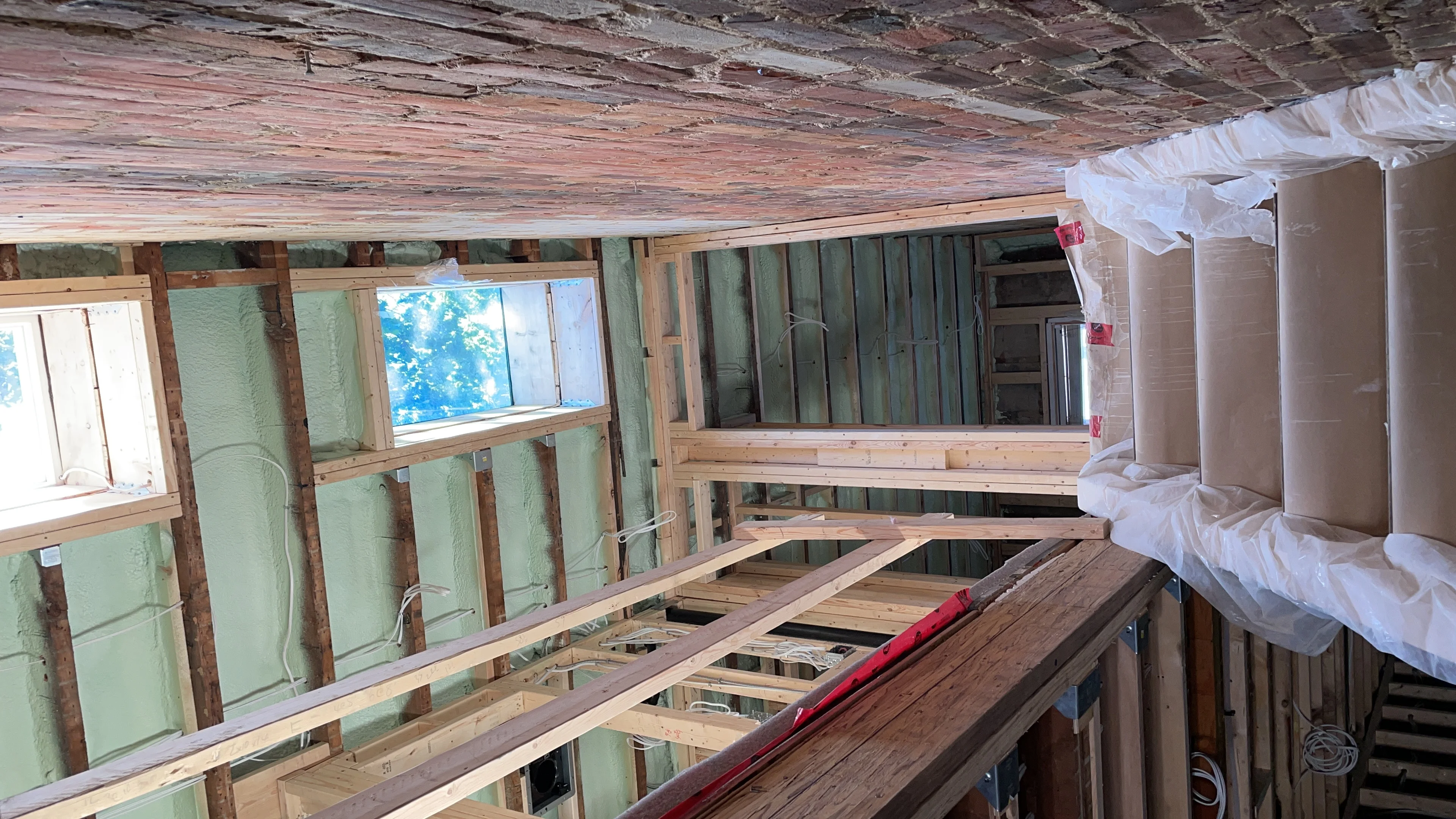
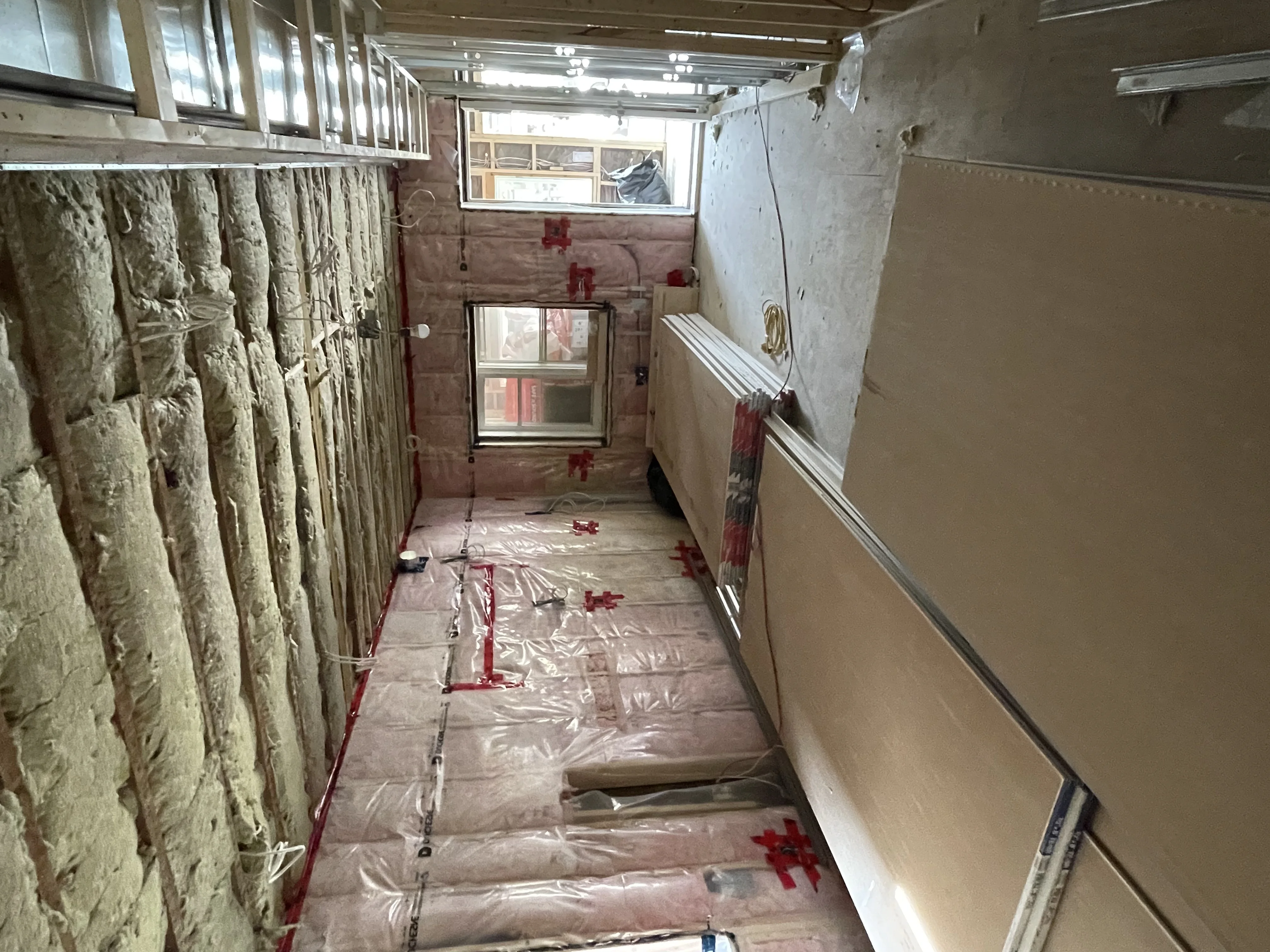
Spray foam, batt and blown-in insulation installed properly before drywall goes up — maximizing energy efficiency in every Halton Region home.
Insulation is one of the few things in a home you install once and can never easily go back and fix. Once the drywall goes on, what's in the wall is in the wall. That's why it matters to get it right the first time — proper coverage, no voids, correct vapour barrier placement, and sealed penetrations.
LR Contracting installs batt insulation, spray foam and vapour barrier as part of our full drywall scope. We work with your building requirements and energy code targets to specify the right insulation type for each area of the building. Exterior walls, basement walls, attic slopes, crawlspaces — each has a different optimal solution.
Vapour barrier is included in our insulation scope. We seal all penetrations and lap all joints properly. Building inspectors don't give callbacks on our vapour barrier installations.
Get a Free Quote
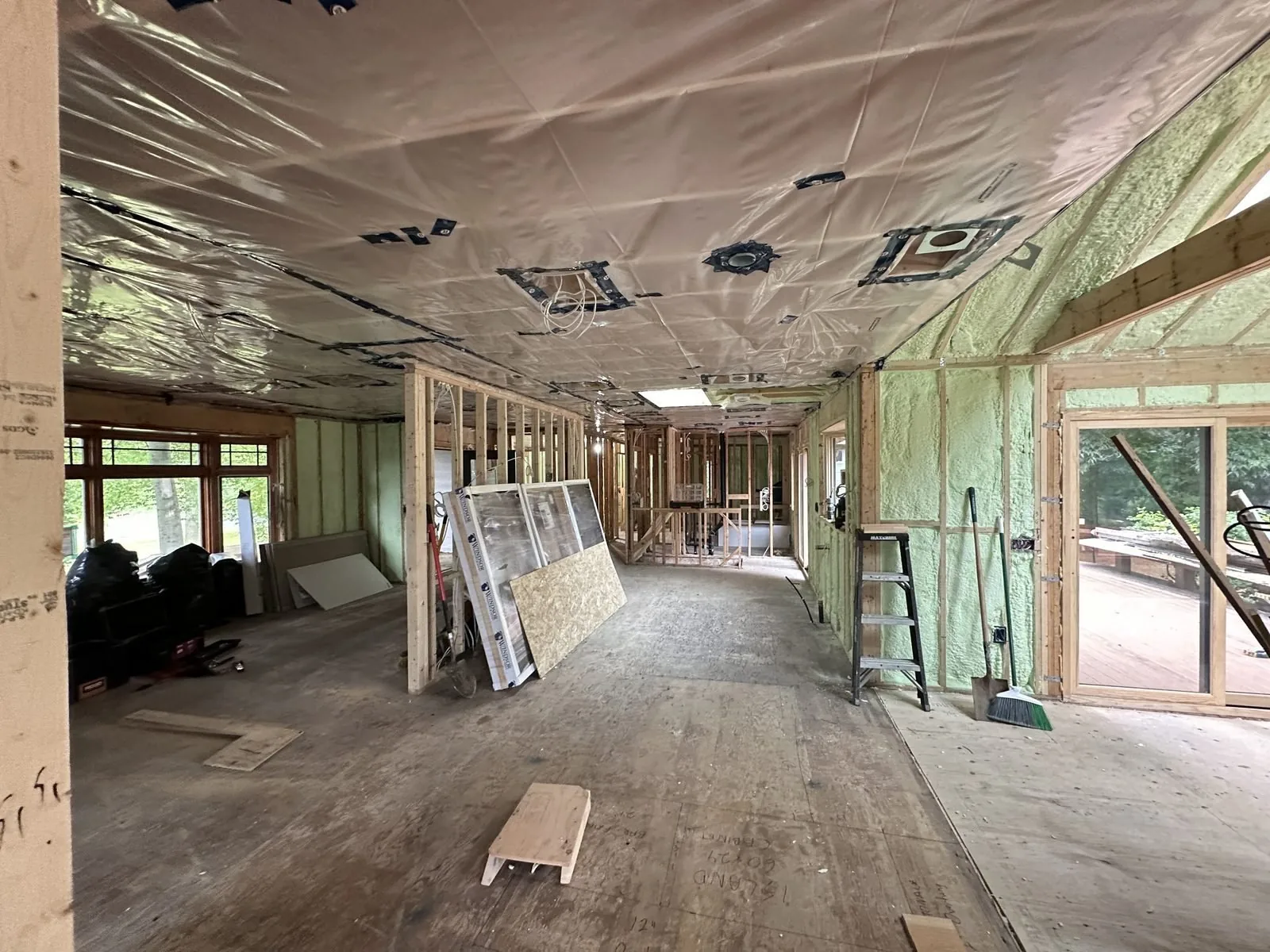
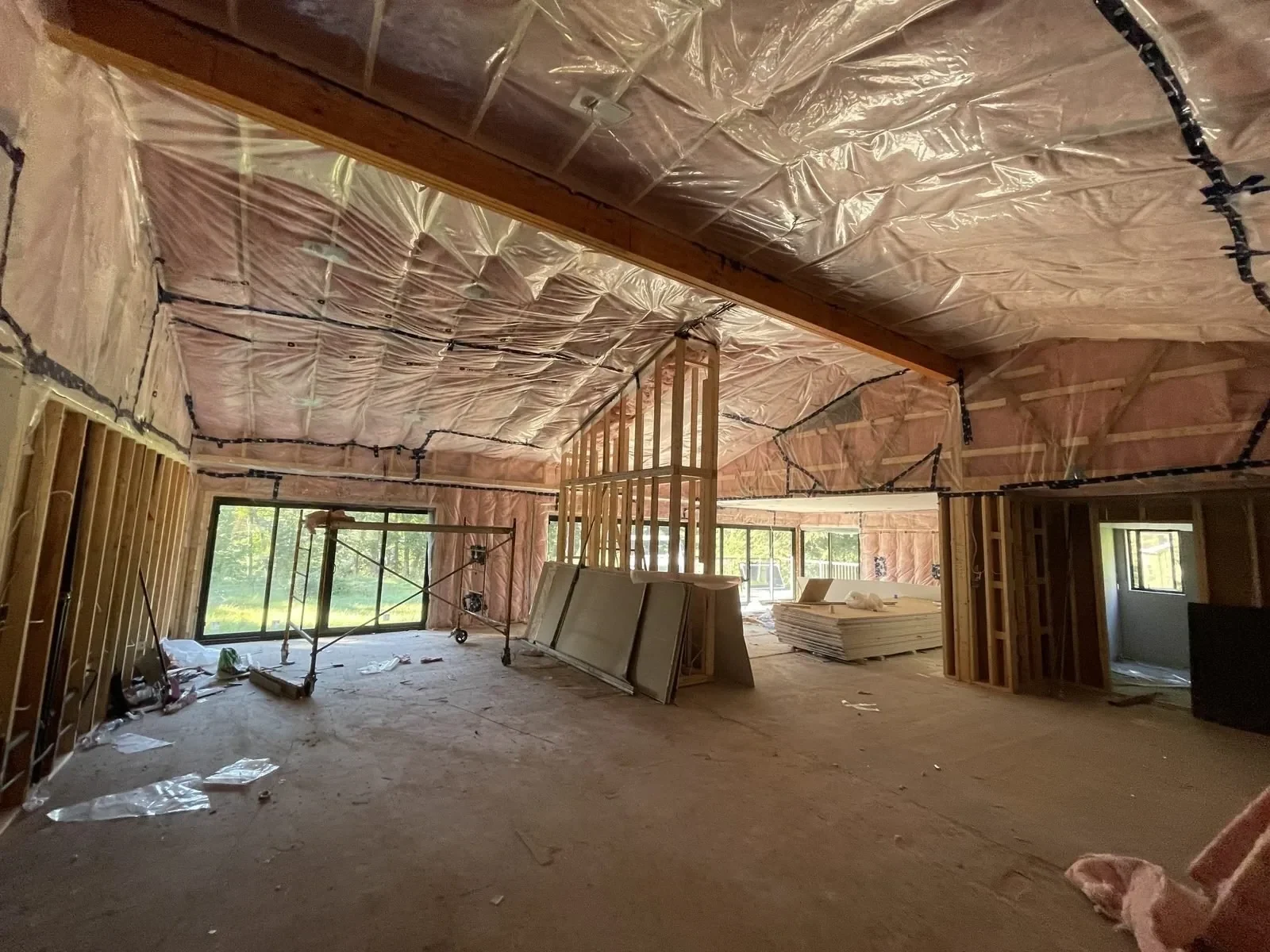
Glass fibre batt insulation in exterior walls, interior walls for sound separation, and roof framing. Available in multiple R-values. The most common choice for standard residential applications in Ontario.
Closed-cell spray foam for maximum R-value per inch, air sealing and vapour control in one product. Ideal for crawlspaces, rim joists, cathedral ceilings and anywhere air sealing is critical. Higher cost but significantly better performance.
6-mil polyethylene vapour barrier installed on the warm side of the insulation in all conditioned spaces. Lapped joints, sealed penetrations, proper installation at wall/floor/ceiling intersections. This is code — and we do it right.
Sound-absorbing batt insulation in interior partition walls — between bedrooms, around bathrooms, home theatre rooms and home offices. Significantly reduces sound transmission between rooms.
Basement insulation with proper moisture management — either spray foam directly on foundation walls or rigid insulation with stud wall and batt combination. We design the assembly to manage both thermal performance and moisture risk.
Insulating cathedral ceilings properly is one of the most common areas where contractors cut corners. We maintain the required ventilation channel or use spray foam to create a sealed assembly — no compromises that lead to ice dams and moisture problems.


It depends on the application. Spray foam offers better air sealing and higher R-value per inch but costs significantly more. Batt is cost-effective for most standard wall applications. We'll recommend the right product for each area of your project.
In Ontario, yes — in all heated spaces. The vapour barrier goes on the warm-in-winter side of the insulation. Building code requires it and inspectors check it. We include vapour barrier in all our insulation scopes.
Ontario Building Code minimums: R-22 for above-grade walls, R-31 for attics in most applications, R-10 minimum for basement walls. We meet or exceed code requirements and can design assemblies for higher performance if that's your goal.
Yes — we can do insulation and vapour barrier only if your drywall is being done by someone else, or if you're insulating an unfinished space. We'll still need to see the space to quote properly.
Yes, we take on spray foam scopes as standalone jobs — crawlspaces, rim joists, garage ceilings, cathedral ceilings. Minimum job sizes apply.
Acoustic batt in floor joists combined with resilient channel on the ceiling below is the most effective approach. We can include this as part of your drywall and insulation scope.
We come to your site, review the scope, and give you a detailed written quote.